
Mostafa Taher E-commerce Media Buyer
E-commerce Growth & Scaling
E-commerce growth is full-funnel planning — connecting media buying, tracking, conversion rate work, and creative direction into one plan instead of treating them as separate, uncoordinated services. It starts with where a brand actually is: current revenue, current ad spend, and a specific target, which is exactly what the free Growth Gap Calculator on this site is built to estimate — the ROAS or additional spend needed to close that gap. From there, the plan sequences the work: fixing tracking accuracy first so every later decision is measured against real numbers, testing creative and offers before scaling spend behind them, and timing campaign launches to seasonal windows rather than running flat year-round. Scaling is not simply increasing the budget — it needs a repeatable acquisition system, reliable tracking, enough creative volume, and product economics that hold up as acquisition costs rise.
Start from the gap, not the tactic
A growth plan starts with three numbers: current revenue, current ad spend, and a specific target. Those three define the gap, and the gap determines whether the answer is more spend at the current return, the same spend at a better return, or a mix. The free Growth Gap Calculator on this site estimates exactly that — the ROAS or the additional spend needed to close the distance.
Sequence beats effort
The order the work happens in changes the result more than how much work happens. Tracking accuracy comes first, because every decision after it is measured against those numbers and a wrong baseline makes good decisions look bad. Creative and offer testing comes before scaling spend, so budget goes behind something that has already proven it works. Launch timing follows the season rather than the calendar, because a campaign that starts at the beginning of a buying window has room to test and scale inside it; one that starts halfway through does not.
What a scalable account actually needs
Scaling is not increasing the budget. An account that can absorb more spend without its economics collapsing needs all of the following at the same time:
- A repeatable acquisition system rather than one campaign that happened to work
- Tracking reliable enough that the reported numbers can be acted on
- Enough tested creative to replace winners as they fatigue
- Product economics — margin, AOV, repeat rate — that hold as acquisition cost rises
- A clear read of which products and audiences bring customers worth keeping
Proof
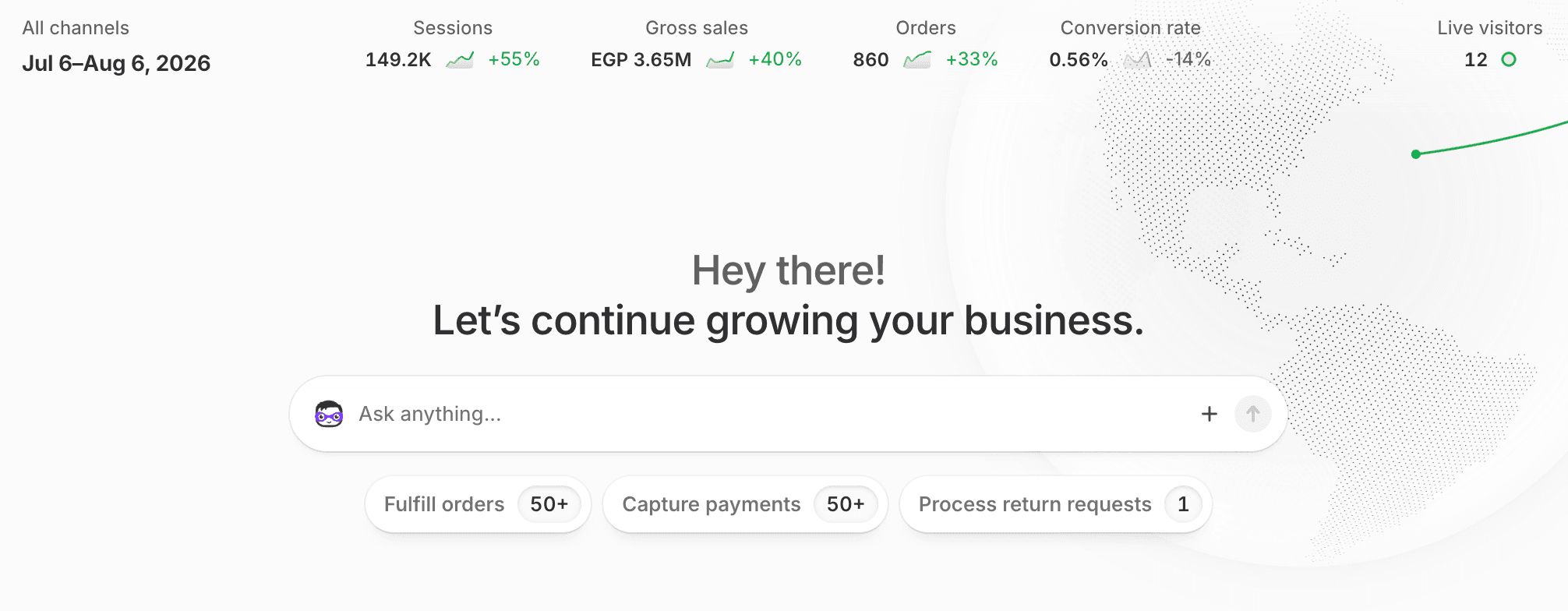
MoreShopping · Jul 6 – Aug 6, 2026
+40% gross sales
Egyptian electronics e-commerce. Grew gross sales 40% to EGP 3.65M in a single month across Google Ads and Meta Ads, on 860 orders and 55% more traffic.
Read the full case study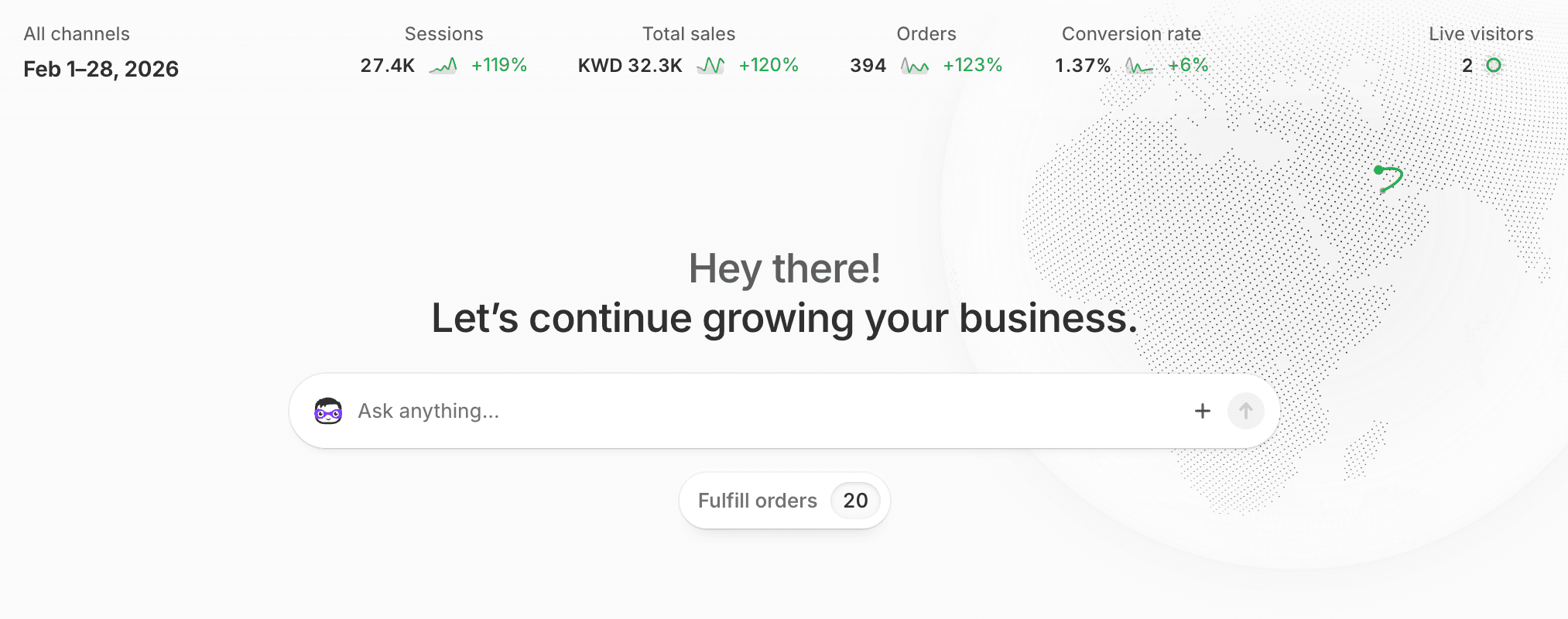
Alma Home · Feb 1–28, 2026
+120% total sales
Kuwait-based bamboo bedding e-commerce. Grew total sales 120% to KWD 32.3K in a month through Meta Ads media buying and conversion rate optimization alone — with return on ad spend improving at the same time, not falling.
Read the full case studyCommon questions
How do you measure e-commerce advertising performance?
Not with a single ROAS number. Depending on the business that means revenue, acquisition cost, conversion rate, contribution and profitability, product-level performance, customer quality, and — underneath all of it — how reliable the tracking data feeding those numbers actually is.
Is there a minimum budget to work together?
No minimum. Get in touch and we'll work out whether it's a fit.