
Mostafa Taher E-commerce Media Buyer
E-commerce Creative Testing
Creative testing is hook and angle direction — deciding what an ad says and how it opens before a single asset gets produced, since the first two seconds of a video or the first line of a static ad determine whether the rest of it gets seen at all. In practice this means testing creative before scaling media spend behind it: identifying which hooks and angles actually stop the scroll for a given audience, then differentiating the message across segments — same product, different angle, offer framing, and urgency per audience — so multiple campaigns aren't competing for the same impressions with near-identical ads. This is the creative half of the same testing process used for media buying and scaling: winners get identified early and distributed deliberately, rather than running one ad everywhere and hoping it works for everyone.
What gets tested
A creative test is only useful if one variable moves at a time and the thing being tested is the thing that actually decides performance. In practice that means testing the message before the production value:
- Hooks — the first two seconds of a video or the first line of a static
- Angles — which reason to buy the ad leads with
- Offers — what is being promised and on what terms
- Pain points and benefits — the problem framing versus the outcome framing
- Formats — video, static, UGC, carousel
- Calls to action — what the ad asks for and how directly
Testing first, scaling second
Budget goes behind a creative after it has earned it, not before. The sequence matters because scaling an untested creative means paying full price to learn something a smaller test would have taught cheaply — and because an account that scales before it has a queue of tested creatives has nothing to rotate in when the winner fatigues.
Distributing winners without cannibalizing
Once a creative wins, the instinct is to run it everywhere. That is how campaigns end up competing for the same impressions with near-identical ads and bidding their own costs up. The alternative is to differentiate deliberately — same product, a different angle, offer framing, and level of urgency per segment — so each campaign is reaching someone the others are not.
Proof
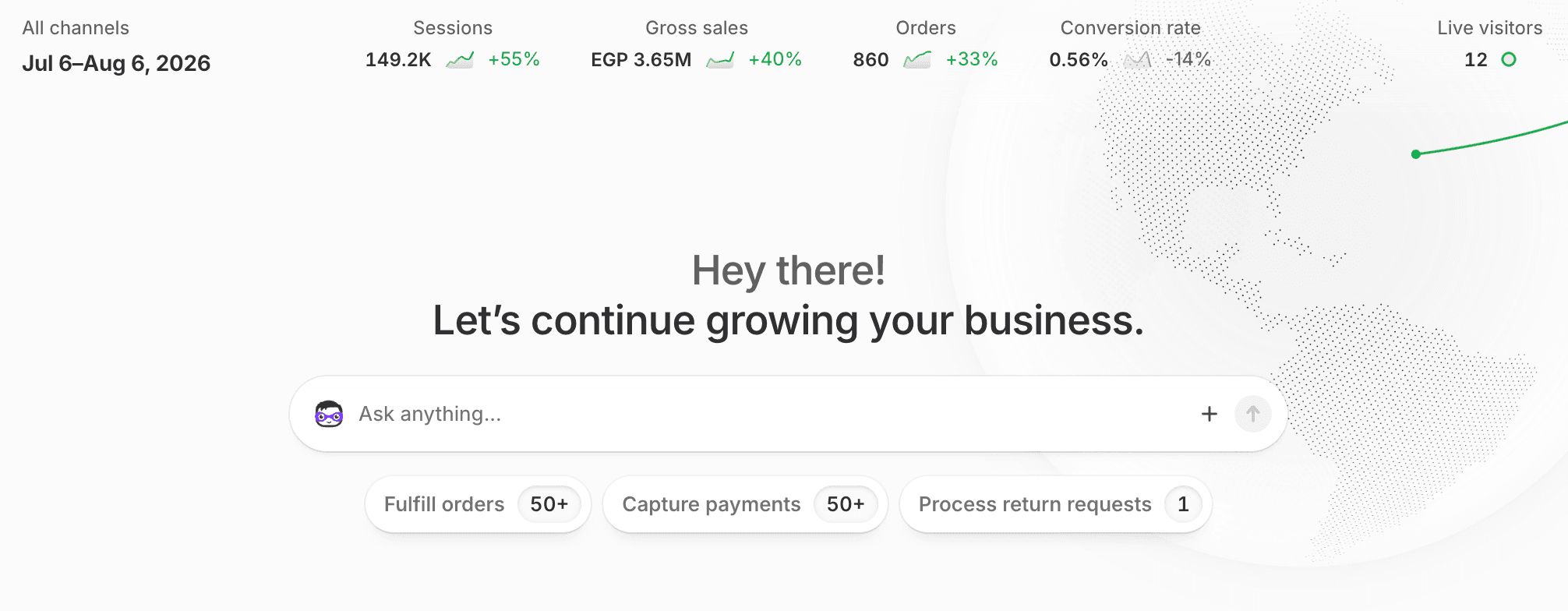
MoreShopping · Jul 6 – Aug 6, 2026
+40% gross sales
Egyptian electronics e-commerce. Grew gross sales 40% to EGP 3.65M in a single month across Google Ads and Meta Ads, on 860 orders and 55% more traffic.
Read the full case studyCommon questions
How many creatives does an account need to scale?
It depends on spend level and how fast the audience saturates, so there is no universal number. The practical test is whether there is a tested replacement ready when the current winner's performance starts declining.