
Mostafa Taher E-commerce Media Buyer
Meta Ads for E-commerce Brands
Meta Ads for e-commerce means building campaigns around the complete customer journey rather than a single conversion campaign — prospecting to reach people who don't know the brand, retargeting to recover the ones who did not buy, creative testing to find what actually stops the scroll, product testing to find which SKUs carry the account, and budget allocation that moves spend toward what's working instead of spreading it evenly. Campaign structure matters because badly-split ad sets bid against each other for the same impressions and inflate their own costs. Scaling on Meta depends less on raising budgets than on having enough tested creative, reliable conversion data feeding the algorithm, and product economics that survive a higher acquisition cost. Both case studies published on this site used Meta Ads — Alma Home, a Kuwait-based bedding brand, grew total sales 120% in February 2026 on Meta Ads alone, with return on ad spend improving as budget scaled.
Campaign structure
Structure is the part of a Meta account that quietly decides how far the budget goes. Splitting the same audience across too many ad sets makes them bid against each other in the same auction, so the account pays more for impressions it was going to win anyway, and each ad set gathers too few conversions to leave the learning phase. Consolidating where audiences overlap and separating only where the message genuinely needs to differ usually does more for cost per acquisition than any single creative change.
Prospecting and retargeting as one journey
Prospecting and retargeting are usually managed as separate campaigns with separate reports, which hides the fact that they're two stages of one journey. Retargeting looks cheap because prospecting paid to create the audience it sells to; prospecting looks expensive for the same reason. Reading them together — what it costs to acquire a customer across both, not what each reports on its own — is what keeps budget from draining into a retargeting pool that is only recycling demand someone else already generated.
What actually limits scaling on Meta
Raising a budget is the easiest thing to do in a Meta account and almost never the thing that was blocking growth. Three constraints show up far more often:
- Creative volume — a single winning ad fatigues, and without a tested queue behind it the account has nothing to rotate in.
- Signal quality — if conversion events are incomplete, the algorithm optimizes against a partial picture no matter how much budget it is given.
- Product economics — margin, average order value, and repeat rate set the ceiling on what an acquisition can cost before scaling turns unprofitable.
Sources: Meta for Business
Proof
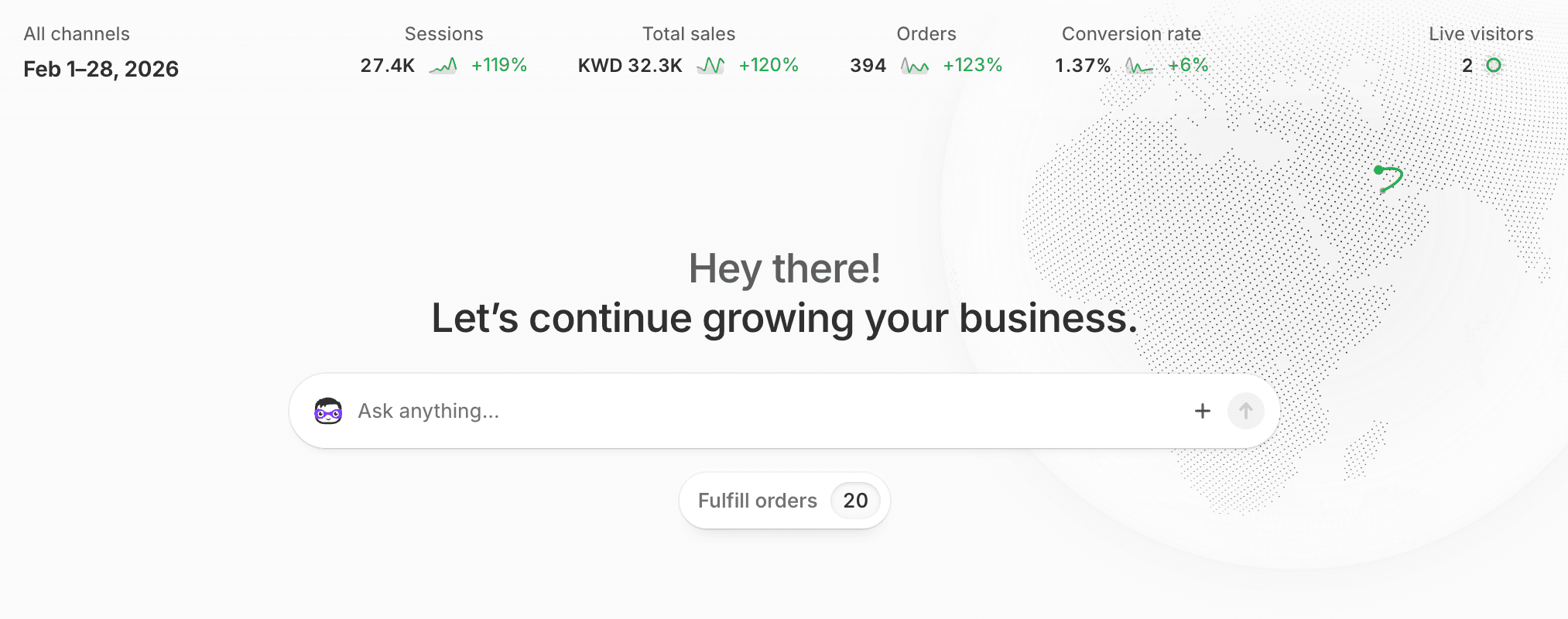
Alma Home · Feb 1–28, 2026
+120% total sales
Kuwait-based bamboo bedding e-commerce. Grew total sales 120% to KWD 32.3K in a month through Meta Ads media buying and conversion rate optimization alone — with return on ad spend improving at the same time, not falling.
Read the full case study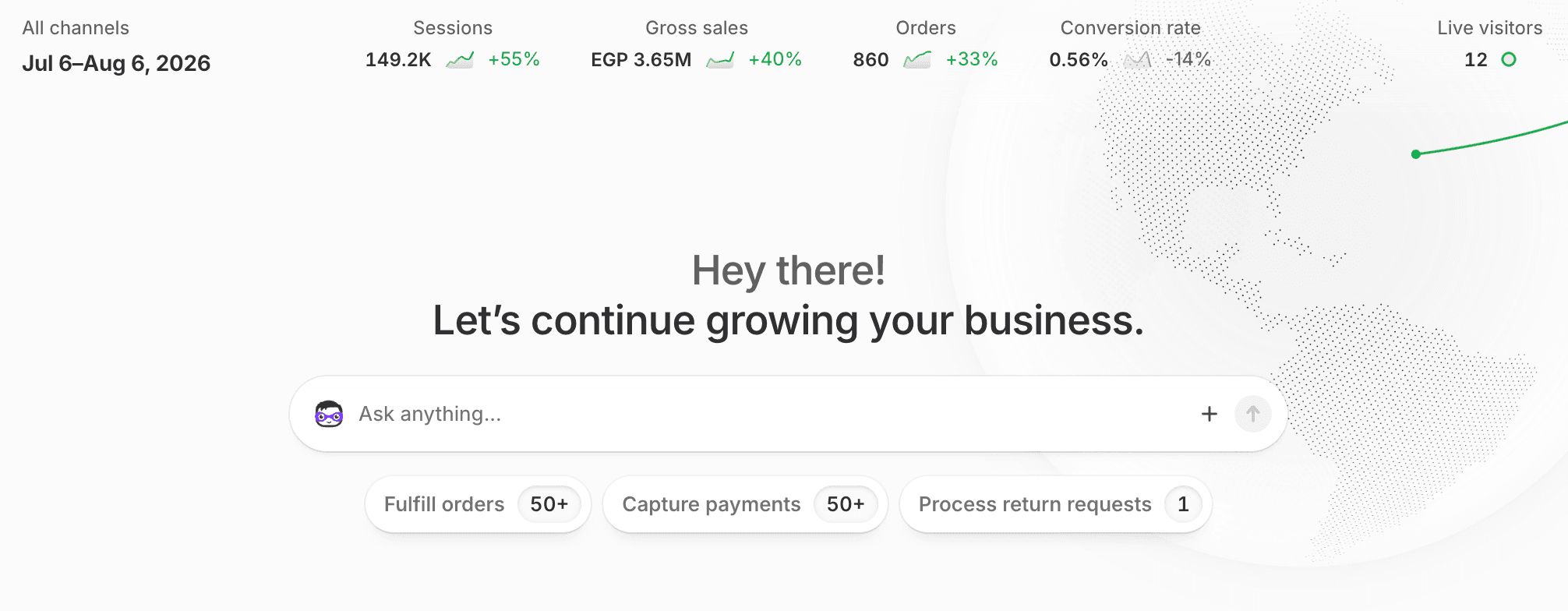
MoreShopping · Jul 6 – Aug 6, 2026
+40% gross sales
Egyptian electronics e-commerce. Grew gross sales 40% to EGP 3.65M in a single month across Google Ads and Meta Ads, on 860 orders and 55% more traffic.
Read the full case studyCommon questions
Do you manage Meta Ads for stores outside Egypt?
Yes, where the business model and product economics are a fit. One of the two case studies published on this site is a Kuwait-based e-commerce brand.
Do I need a working pixel before Meta Ads will perform?
Meta's optimization only gets as good as the conversion data it receives, so tracking accuracy is usually the first thing to fix — before, not after, scaling spend. That work is covered under conversion tracking and Meta CAPI.